Connecticut’s spotted lanternflies are suddenly everywhere. Here’s why

September 3, 2026

Connecticut’s spotted lanternflies have entered their most noticeable — and arguably most irritating — phase of the year.

The invasive insects are reaching adulthood across the state, making them larger, more mobile and far more conspicuous than they were earlier this summer. They are gathering on trees, covering some sidewalks and buildings and occasionally launching themselves toward unsuspecting pedestrians.

That sudden visibility can make it seem as though the population exploded overnight. In reality, much of the change is seasonal.


Spotted lanternfly eggs hatch during spring and early summer. The young nymphs begin as small, black insects with white spots, later adding bright red coloring. By late summer, many have become roughly inch-long adults with tan, black-spotted forewings and striking red hindwings that flash when they jump or fly.
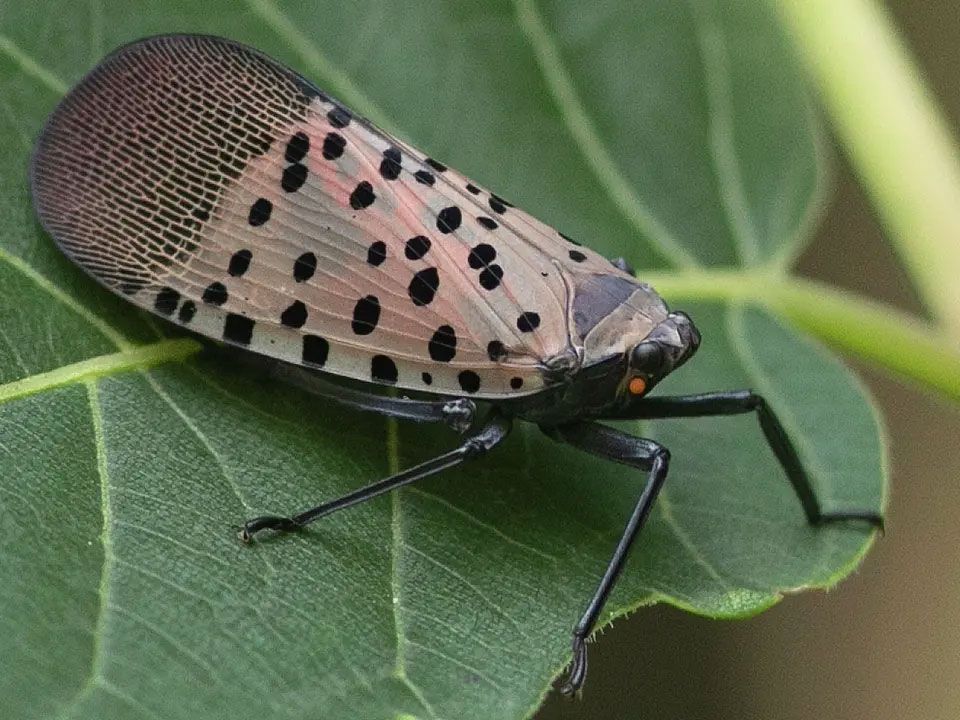
Spotted gray and black planthopper on a green leaf

By September, the spotted lanternfly has reached adulthood.

Dave Zajac / Hearst Connecticut Media


Adults typically are active from July into November. Freezing temperatures eventually will kill them, but not before females begin depositing overwintering egg masses on trees, vehicles, stones, outdoor furniture and almost any other hard surface.

Lanternflies continue spreading in Connecticut

The insects are not merely becoming easier to see. Their Connecticut footprint also has continued expanding.


The Connecticut Agricultural Experiment Station says spotted lanternflies now have been reported in all eight counties. On Aug. 10, CAES Director Jason White said they had been detected in 153 of Connecticut’s 169 towns.


Large concentrations recently have become especially noticeable in downtown Hartford, demonstrating how thoroughly the insects have moved beyond their earliest foothold in southwestern Connecticut.


Still, a more widespread infestation does not guarantee that every location will experience ever-increasing numbers. Researchers have observed populations surge and then decline in parts of Pennsylvania, where the insect first was detected in the United States in 2014. Native predators, parasites and insect-killing fungi gradually may begin exerting more control.


Connecticut also has not yet documented the level of widespread agricultural destruction once feared. Grapevines remain the state’s greatest concern because heavy feeding can weaken vines. Some Connecticut vineyard managers say they are seeing more lanternflies than last year, although major damage to fruit has not yet been reported.


For most homeowners, CAES describes the insect primarily as a nuisance. Lanternflies do not bite or sting people or pets. They feed on plant sap and excrete a sticky, sugary substance called honeydew, which can coat surfaces, attract bees and wasps and promote black, sooty mold.

What Connecticut residents can do

Crushing individual adults and nymphs can help, but stomping alone will not eradicate an established statewide population.
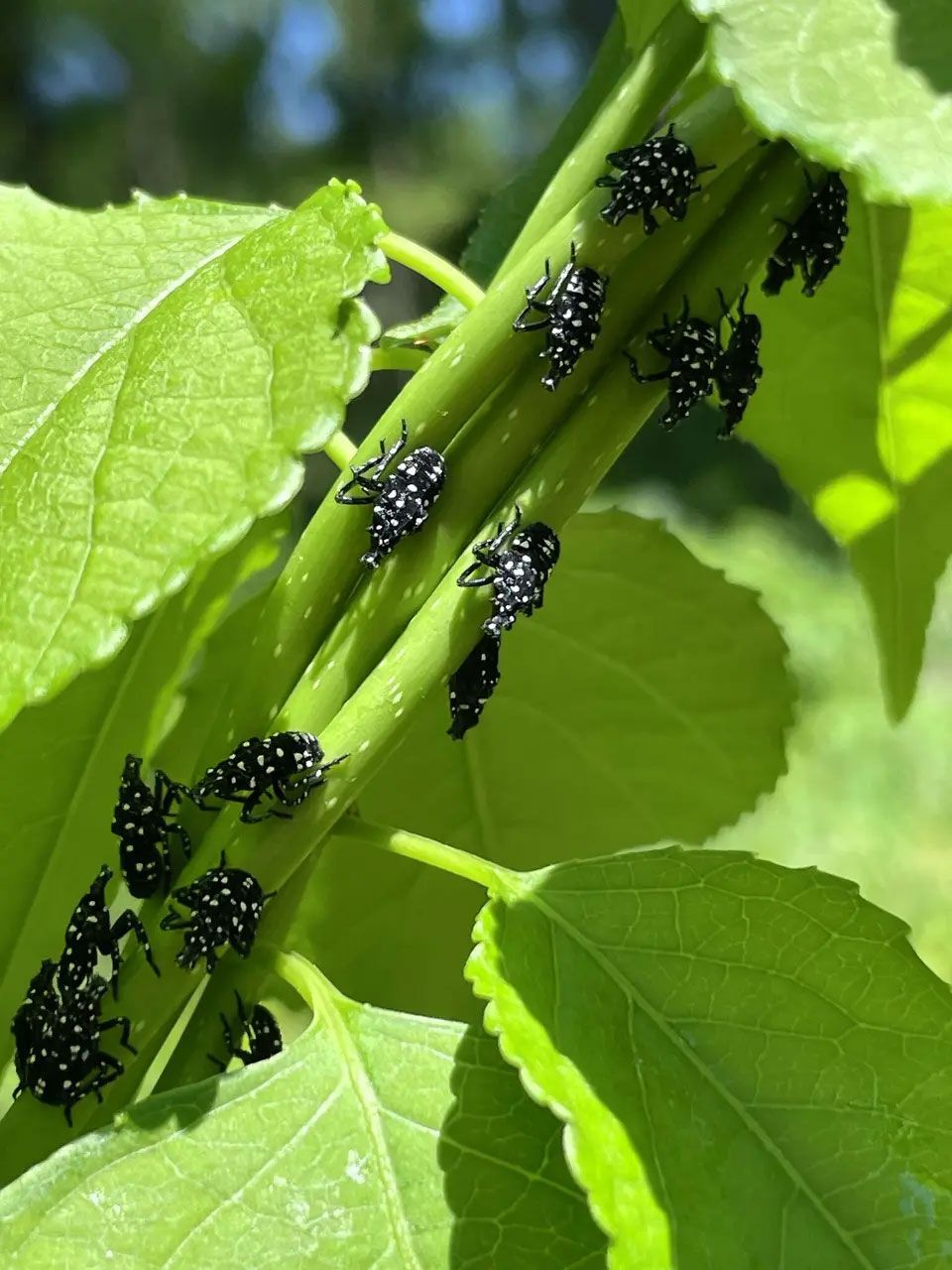
Black aphids clustered on green plant stems and leaves in bright sunlight

Spotted lanternfly nymphs appear black with white spots during June and July.

Dan Amarante / Hearst Connecticut Media


Residents still should photograph and report sightings to CAES, including the location. Before moving cars, campers, grills, firewood or outdoor furniture, check them for hitchhiking adults or egg masses.


This time of year, start looking for egg masses resembling gray putty or dried mud. Each normally contains about 30 to 50 eggs. Scrape the entire mass into a sealed bag containing rubbing alcohol or hand sanitizer, then place it in the trash.


Circle-style traps can capture lanternflies climbing tree trunks. Exposed sticky bands should be avoided because they can also trap birds and beneficial insects.


Removing tree-of-heaven, the lanternfly’s preferred host, may provide more meaningful long-term control. However, the invasive tree has lookalikes and can resprout aggressively when cut incorrectly, so residents should follow CAES guidance or consult a professional.

green tree in a sunny garden with dense foliage and a metal railing in front.

The spotted lanternfly prefers to feed off the tree-of-heaven.

Robert Marchant / Hearst Connecticut Media

One stomping sneaker will not solve Connecticut’s lanternfly problem. Finding and destroying a single egg mass, however, could prevent dozens from appearing next year.
By proadAccountId-467877 August 25, 2026
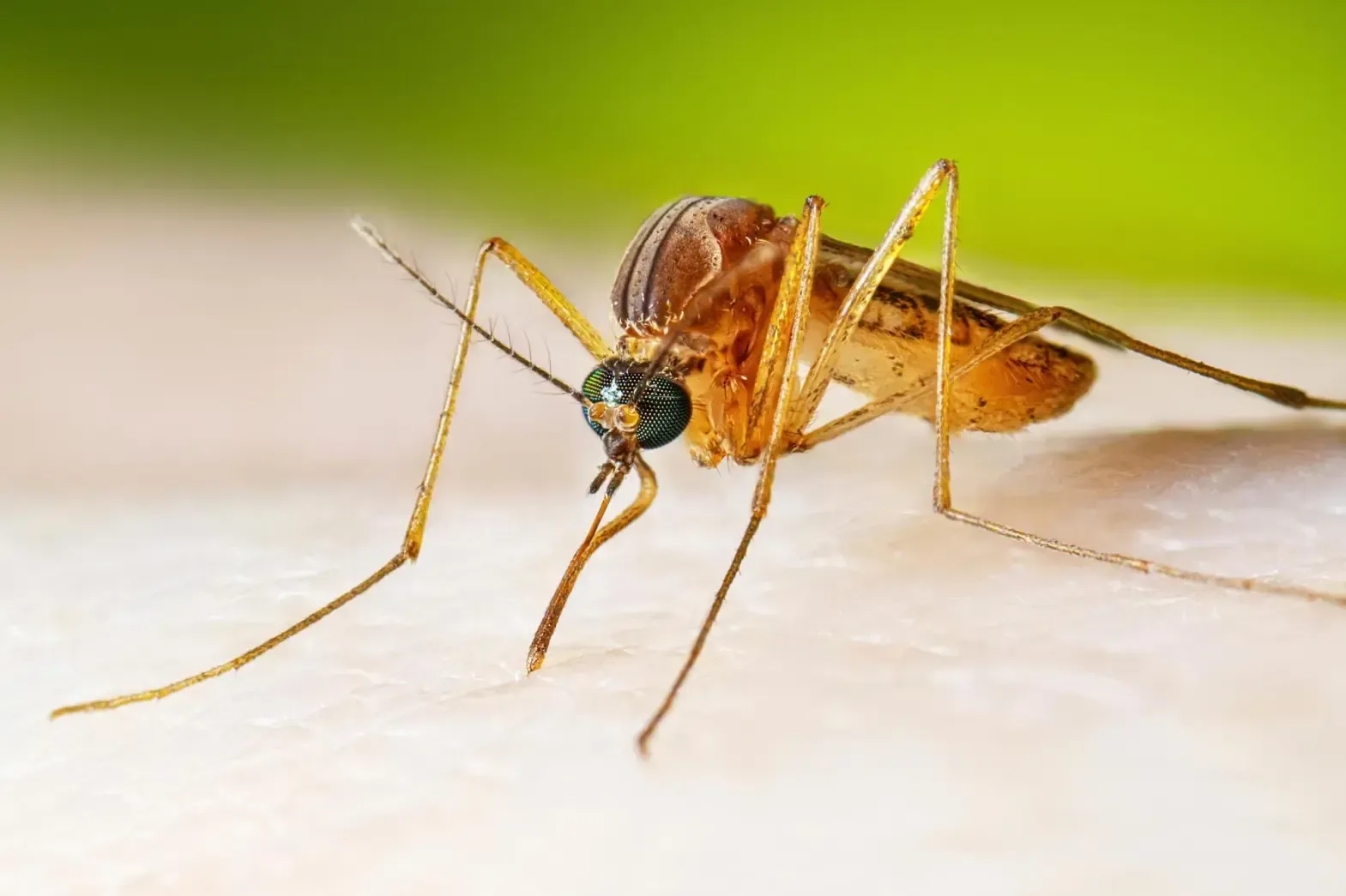
CT officials are reporting the spread of West Nile virus across CT. Here’s where it’s been detected - Hartford Courant https://www.courant.com/2026/08/20/ct-officials-are-reporting-the-spread-of-west-nile-virus-across-ct-heres-where-its-been-detected/
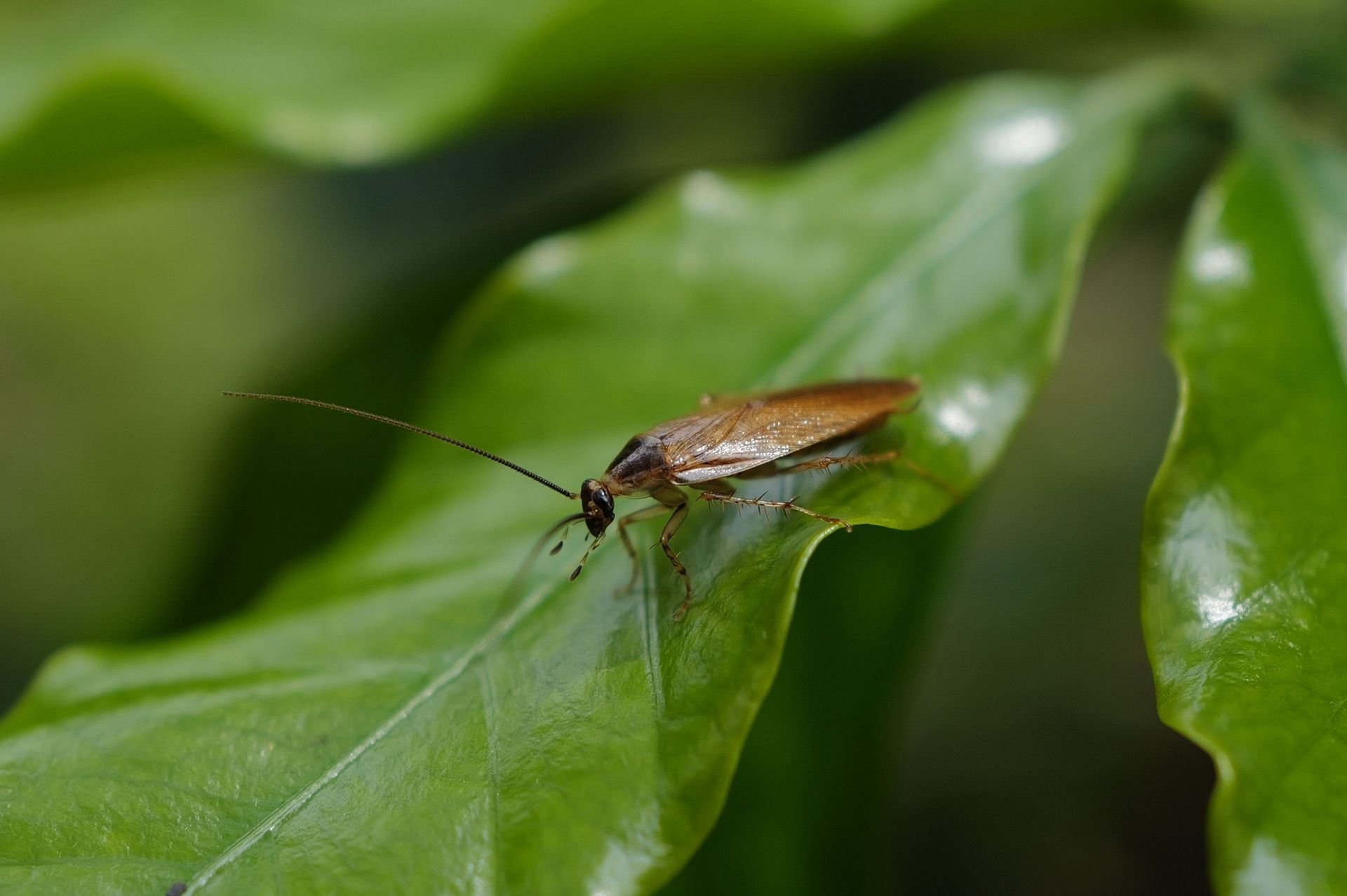
Cockroach Resting on a Leaf in Bristol, CT
July 18, 2026
Contact a certified cockroach exterminator if you notice any of these warning signs. Total Pest Control, LLC proudly provides support across Berlin, CT and beyond!
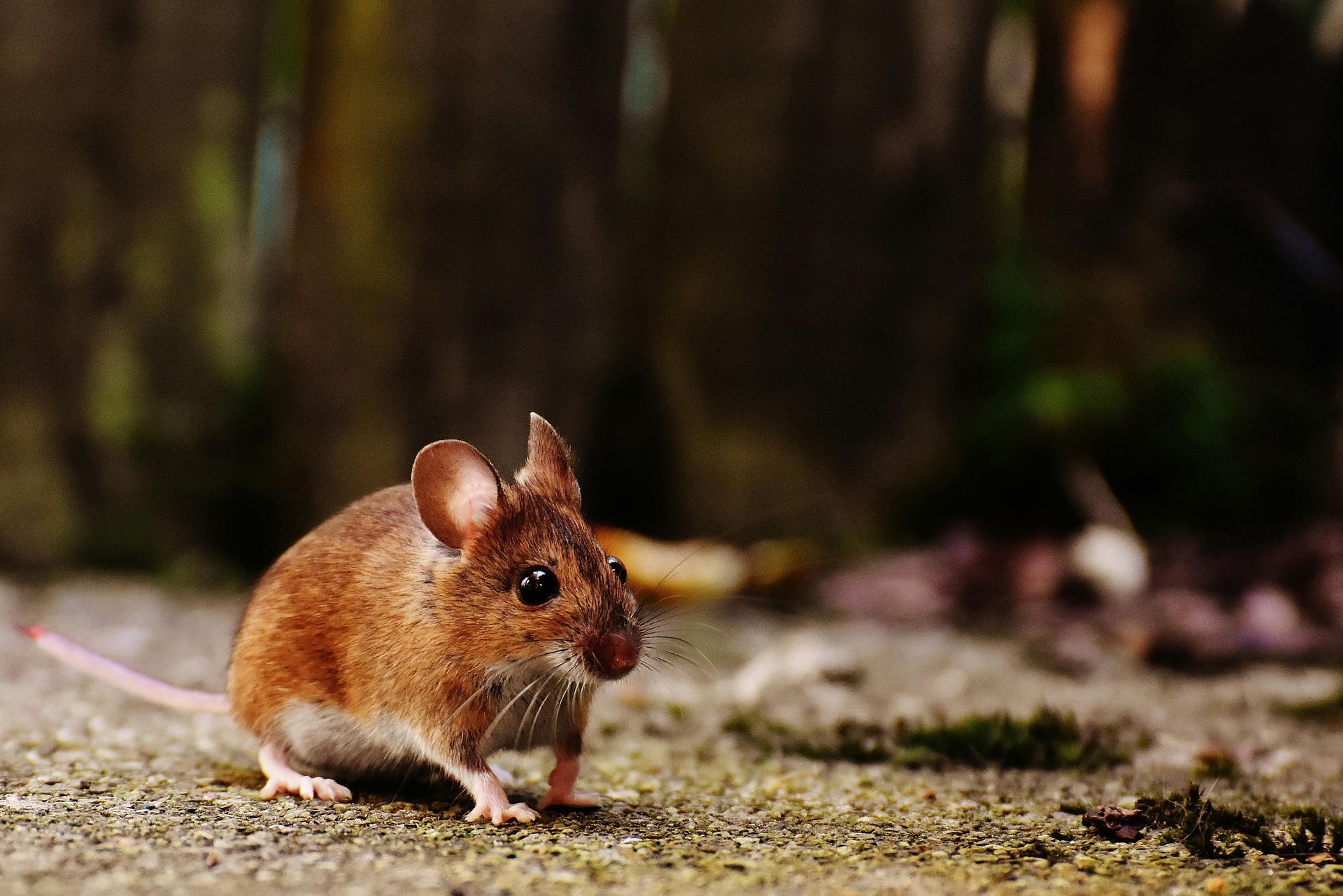
Mice Control
June 5, 2026
Keep yourself protected from the hantavirus with rat control, mouse control, and other pest control solutions from Total Pest Control in Berlin, CT and beyond!
Indoor Pest Control Services in Bristol, CT
July 17, 2025
Learn the signs of a rodent problem and call Total Pest Control, LLC for our pest control services. We provide mice control, rat control, and more in Bristol, CT.
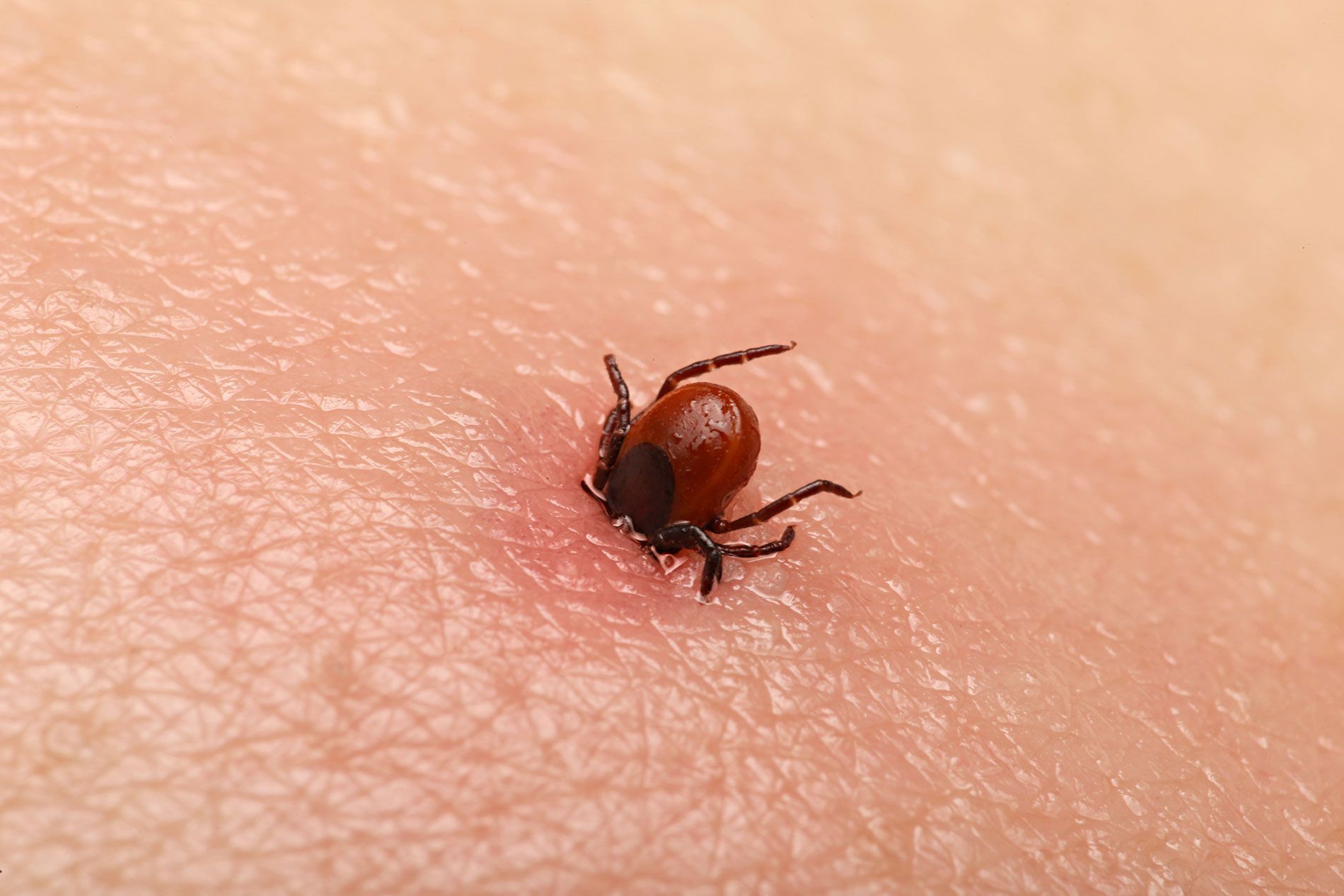
A close up of a tick on a person 's skin.
By By Julia Ries July 3, 2025
Tick season is here, and it’s already shaping up to be a rough one. The United States is seeing the highest number of reported emergency room visits for tick bites since 2019, according to recent data from the Centers for Disease Control and Prevention (CDC). Recent estimates suggest that more than 31 million people in the U.S. are bitten by ticks each year. Rates of tick-borne diseases , like Lyme disease and Rocky Mountain Spotted Fever , have more than doubled over the last two decades—a result of rising temperatures, shifting land use, and other factors. But getting a tick bite doesn’t necessarily mean you will get sick. Most tick bites don’t lead to disease, and the majority of tick-borne diseases can be prevented by early removal of the tick, research shows. “Frequent tick checks are important because they help prevent infections like Lyme disease, which can cause serious long-term health issues if not caught early,” Bobbi Pritt, MD , the director of the Clinical Parasitology Laboratory at Mayo Clinic and a spokesperson for the College of American Pathologists, told Health. With that in mind, where on your body should you pay extra attention to when scanning for ticks? Here’s what to know about where ticks like to hang out—as well as what to do if you actually find one on your body.
PROTECTING CONNECTICUT: WHY LEADERS URGE VIGILANCE AGAINST THE SPOTTED LANTERNFLY
May 10, 2024
Connecticut's natural beauty is a source of pride for its residents, but lately, a tiny intruder has been causing concern among state leaders and agricultural experts. The Spotted Lanternfly, an invasive species native to Asia, has been spotted in neighboring states, prompting Connecticut leaders to take proactive measures to prevent its spread. In this blog post, we'll delve into why the Spotted Lanternfly poses a threat and what Connecticut residents can do to help protect their environment.
HOW TO KEEP MICE OUT OF YOUR HOME THIS WINTER
September 29, 2023
As the cooler temperatures of autumn give way to the harsh weather of winter, many animals will be seeking shelter and warmth. For mice and other rodents, the appeal of the warm nooks and crannies within our homes is a large draw!
HOW TO PICK A PEST CONTROL COMPANY
May 21, 2023
Pests can pose a significant issue for both homeowners and businesses. Selecting the correct local pest control company is a crucial decision. Whether you need to eradicate termites, bed bugs, ants, or other pests, it’s vital to find a company that can efficiently and effectively eliminate the problem.
MILD WINTER COULD LEAD TO BUGGY SPRING
April 28, 2023
The mild winter has been a pleasant change, but it may come at a cost this spring as insects start to thrive. If you feel like you’re seeing more bugs this April than in previous years, you’re not wrong. The warmer weather has allowed many insects, especially mosquitos, to emerge earlier than usual.
ANTS AND TERMITES
April 17, 2023
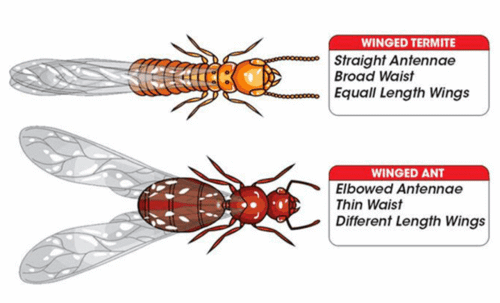
Household pests like termites and ants can be a real headache. Termites, in particular, are notorious for swarming and can be easily identified by their flying insects. However, not all swarming insects are termites. Have you stopped to consider flying ants? Let’s take a closer look at the differences between flying ants and termites.