
Pest Control Tips
for Bristol, Waterbury, & Cheshire, CT
Explore the Total Pest Control, LLC blog for helpful information about pest concerns and ways to protect your home or business. Our posts cover topics related to pest control, including ant control, bee removal, cockroach exterminator service, mice control, mosquito control, termite control, tick control, and more.
We proudly serve Berlin, CT; Bristol, CT; Cheshire, CT; Farmington, CT; Prospect, CT; and Waterbury, CT.
Call us today to schedule an appointment!

Connecticut’s spotted lanternflies have entered their most noticeable — and arguably most irritating — phase of the year.

CT officials are reporting the spread of West Nile virus across CT. Here’s where it’s been detected - Hartford Courant https://www.courant.com/2026/08/20/ct-officials-are-reporting-the-spread-of-west-nile-virus-across-ct-heres-where-its-been-detected/

Contact a certified cockroach exterminator if you notice any of these warning signs. Total Pest Control, LLC proudly provides support across Berlin, CT and beyond!

Keep yourself protected from the hantavirus with rat control, mouse control, and other pest control solutions from Total Pest Control in Berlin, CT and beyond!

Learn the signs of a rodent problem and call Total Pest Control, LLC for our pest control services. We provide mice control, rat control, and more in Bristol, CT.
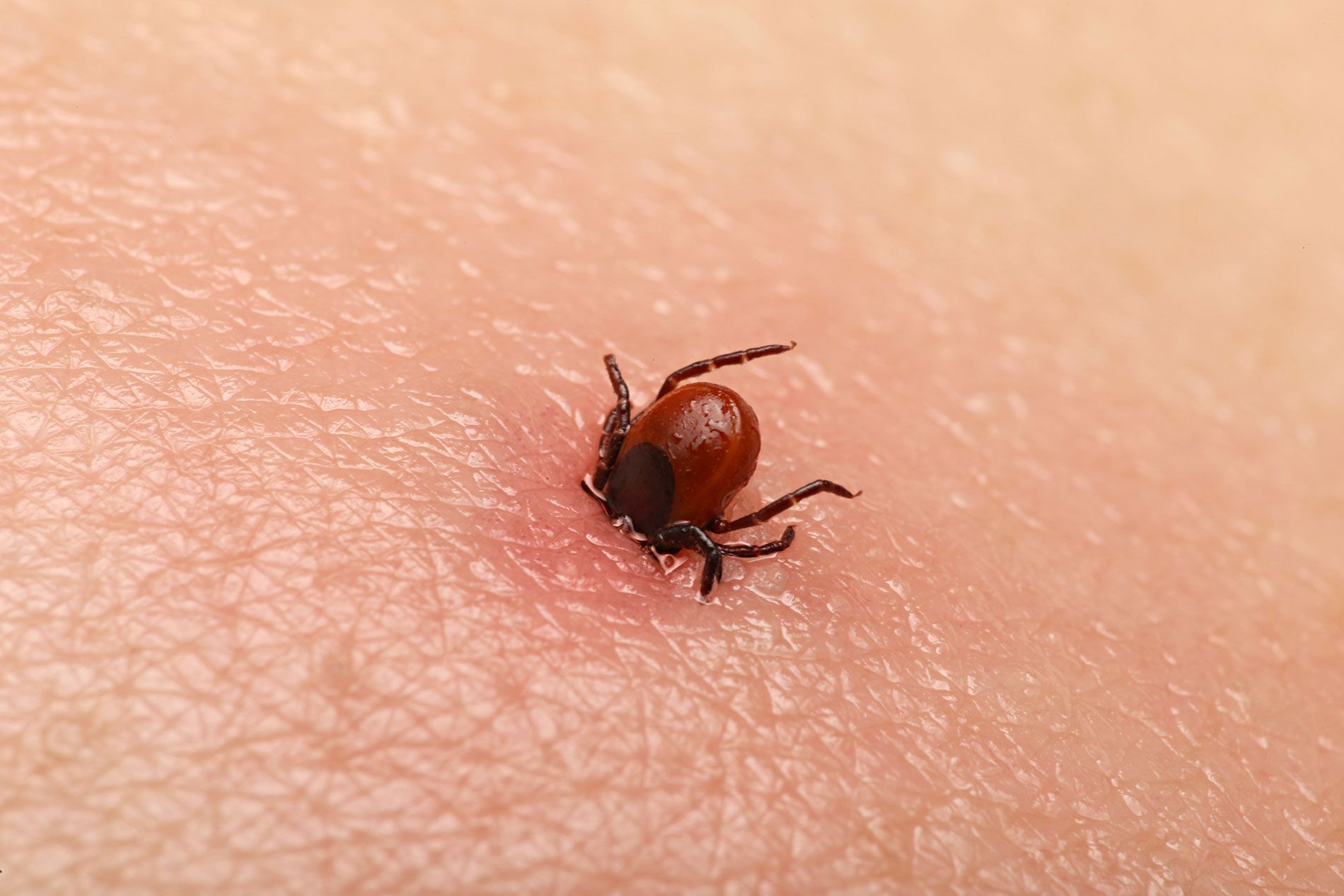
Tick season is here, and it’s already shaping up to be a rough one. The United States is seeing the highest number of reported emergency room visits for tick bites since 2019, according to recent data from the Centers for Disease Control and Prevention (CDC). Recent estimates suggest that more than 31 million people in the U.S. are bitten by ticks each year. Rates of tick-borne diseases , like Lyme disease and Rocky Mountain Spotted Fever , have more than doubled over the last two decades—a result of rising temperatures, shifting land use, and other factors. But getting a tick bite doesn’t necessarily mean you will get sick. Most tick bites don’t lead to disease, and the majority of tick-borne diseases can be prevented by early removal of the tick, research shows. “Frequent tick checks are important because they help prevent infections like Lyme disease, which can cause serious long-term health issues if not caught early,” Bobbi Pritt, MD , the director of the Clinical Parasitology Laboratory at Mayo Clinic and a spokesperson for the College of American Pathologists, told Health. With that in mind, where on your body should you pay extra attention to when scanning for ticks? Here’s what to know about where ticks like to hang out—as well as what to do if you actually find one on your body.

Connecticut's natural beauty is a source of pride for its residents, but lately, a tiny intruder has been causing concern among state leaders and agricultural experts. The Spotted Lanternfly, an invasive species native to Asia, has been spotted in neighboring states, prompting Connecticut leaders to take proactive measures to prevent its spread. In this blog post, we'll delve into why the Spotted Lanternfly poses a threat and what Connecticut residents can do to help protect their environment.

As the cooler temperatures of autumn give way to the harsh weather of winter, many animals will be seeking shelter and warmth. For mice and other rodents, the appeal of the warm nooks and crannies within our homes is a large draw!

Pests can pose a significant issue for both homeowners and businesses. Selecting the correct local pest control company is a crucial decision. Whether you need to eradicate termites, bed bugs, ants, or other pests, it’s vital to find a company that can efficiently and effectively eliminate the problem.

The mild winter has been a pleasant change, but it may come at a cost this spring as insects start to thrive. If you feel like you’re seeing more bugs this April than in previous years, you’re not wrong. The warmer weather has allowed many insects, especially mosquitos, to emerge earlier than usual.

